Multi-Domain Mirroring in Online Casino Platforms
Online casino platforms operate in one of the most dynamic and regulated environments on the internet. Over the years, these platforms have developed sophisticated infrastructure strategies to maintain uptime, optimize latency, and adapt to regional restrictions. One of the most notable techniques is the use of multi-domain mirroring, where a single platform is accessible through multiple domains depending on user location, network conditions, or regulatory constraints.
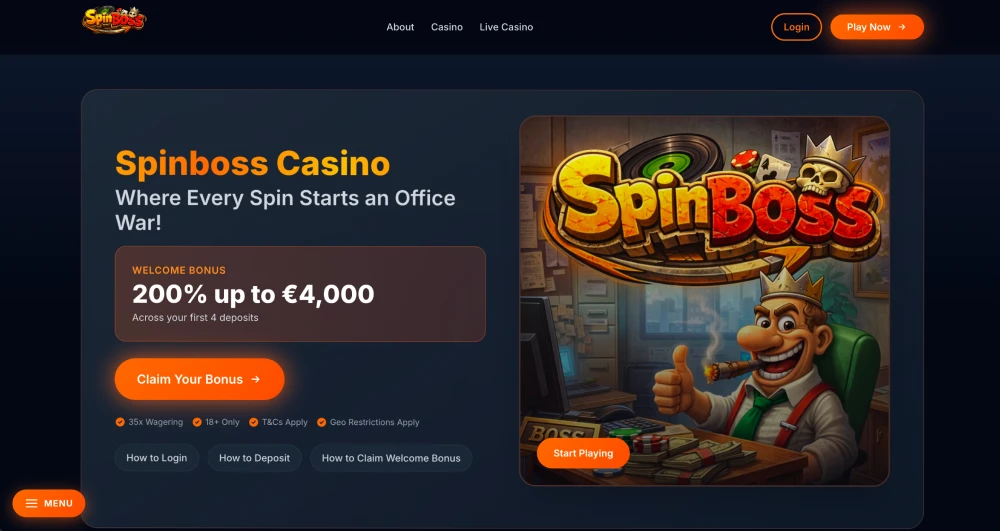
This article explores the technical evolution of domain mirroring, how modern systems implement it, and how a control panel like web-cp can be leveraged to manage and automate such architectures. As a real-world example, we will reference the platform https://spinboss.io, which reflects modern hosting and routing practices used in high-availability gambling systems.
Historical Context: Why Domain Mirroring Emerged
Early online casino platforms were often hosted on a single domain and a single server cluster. This created several limitations:
Geo-blocking risks: Certain countries restricted access to gambling domains
DNS-level blocking: ISPs could easily block a single domain
Latency issues: Users far from the hosting region experienced slow performance
Single point of failure: Downtime affected all users globally
To address these issues, operators began deploying mirror domains—alternative domains pointing to the same backend infrastructure. Initially, this was a manual process involving:
Cloning DNS records
Replicating web server configurations
Syncing application code across servers
Over time, this evolved into a more automated and distributed architecture.
Modern Multi-Domain Architecture
Today’s casino platforms use a combination of DNS strategies, reverse proxies, and application-level routing to support multiple domains.
1. DNS Layer
Multiple domains (e.g., example1.com, example2.net, example3.io) are configured to point to:
The same IP address (shared hosting cluster), or
Different edge nodes (via GeoDNS or Anycast routing)
GeoDNS providers can return different IP addresses based on the user’s geographic location.
2. Reverse Proxy Layer
A reverse proxy (such as Nginx or HAProxy) sits in front of the application and handles:
Domain-based routing (
Hostheader inspection)SSL termination for multiple domains
Traffic distribution across backend services
Example Nginx configuration:
server {
    listen 443 ssl;
    server_name spinboss.io spinboss.net spinboss.org;

    location / {
        proxy_pass http://backend_cluster;
        proxy_set_header Host $host;
        proxy_set_header X-Real-IP $remote_addr;
    }
}
This allows multiple domains to serve the same application while preserving domain context.
3. Application Layer Awareness
Modern platforms are often domain-aware. The application can:
Adjust UI/UX based on domain
Load localized content
Apply jurisdiction-specific rules
For example:
$host = $_SERVER['HTTP_HOST'];

if ($host === 'spinboss.io') {
    $region = 'global';
} elseif ($host === 'spinboss.eu') {
    $region = 'EU';
}
Geo-Based Domain Switching
A more advanced approach involves dynamically redirecting users to the most appropriate domain based on their location or network conditions.
Techniques Used:
IP Geolocation databases (MaxMind, IP2Location)
Edge-based routing (CDNs like Cloudflare Workers)
HTTP redirects (302/307)
JavaScript fallback redirects
Example (Nginx + GeoIP):
geoip_country /usr/share/GeoIP/GeoIP.dat;

map $geoip_country_code $redirect_domain {
    default spinboss.io;
    DE spinboss.eu;
    FR spinboss.eu;
}

server {
    listen 80;
    server_name spinboss.io;

    return 302 https://$redirect_domain$request_uri;
}
This ensures users are routed to the most relevant domain automatically.
Codebase Synchronization Across Mirrors
Maintaining consistency across multiple domains requires centralized deployment strategies:
Common Approaches:
Single codebase, multiple entry points
Shared storage (NFS, S3, or object storage)
CI/CD pipelines for synchronized deployments
Containerized environments (Docker/Kubernetes)
In modern setups, all domains typically point to the same application cluster, eliminating the need for code duplication.
Case Example: Spinboss Casino
Platforms like Spinboss demonstrate how modern casino systems rely on flexible domain strategies. By leveraging multiple domains and intelligent routing, such platforms can:
Maintain accessibility across restricted regions
Optimize performance for geographically distributed users
Ensure redundancy in case of domain-level blocking
Deliver localized experiences without duplicating infrastructure
This approach is no longer optional—it is foundational for operating at scale in regulated and high-traffic environments.
Managing Multi-Domain Setups with web-cp
Control panels like web-cp can play a critical role in simplifying multi-domain architectures, especially for teams that want structured management without sacrificing flexibility.
Domain Management
web-cp allows administrators to:
Add multiple domains and subdomains
Configure domain pointers (aliases)
Manage DNS templates centrally
This makes it easy to attach multiple domains to a single hosting environment.
VirtualHost Automation
Through its server control panel, web-cp enables:
Template-based VirtualHost generation
Automatic SSL configuration per domain
Centralized service management (Apache, DNS, etc.)
For example, a single VirtualHost template can be applied to dozens of mirror domains.
Dynamic Routing Integration
While web-cp itself is not a GeoDNS provider, it can integrate with dynamic routing strategies:
Configure reverse proxy rules (via Apache/Nginx templates)
Deploy GeoIP modules
Manage environment variables passed to applications
This allows developers to implement geo-based switching logic at the server or application level while still using web-cp for orchestration.
Reseller and Multi-Tenant Use
In environments where multiple domain groups are managed (e.g., different regional mirrors), web-cp’s reseller panel can segment control:
Separate domain groups by region
Delegate management to regional operators
Maintain centralized oversight
Challenges and Considerations
Despite its advantages, multi-domain mirroring introduces complexity:
SSL certificate management across many domains
SEO considerations (duplicate content, canonical URLs)
Session persistence across domains
Regulatory compliance per region
These challenges require careful architectural planning and automation.
Conclusion
Multi-domain mirroring has evolved from a workaround into a core architectural pattern for online casino platforms. By combining DNS strategies, reverse proxies, and application-level logic, platforms can deliver resilient, high-performance experiences across global audiences.
Solutions like web-cp provide a structured way to manage the domain layer of this architecture, while modern DevOps practices handle deployment and scaling behind the scenes. Gambling platforms exemplify how these techniques come together to create systems that are both flexible and robust.
As the industry continues to grow and regulations become more fragmented, the ability to dynamically route users across domains will remain a critical capability for any serious online gaming platform.